
All Central Missoula Homes and Real Estate Listings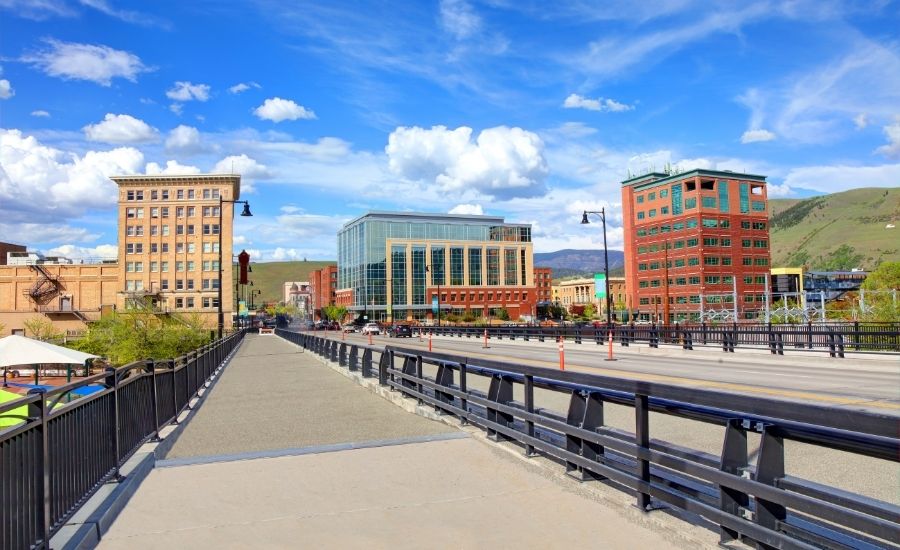
Central Missoula is the search area buyers usually mean when they want to stay close to the middle of town without locking themselves into only downtown condos or only one official neighborhood name.
That distinction matters.
The City of Missoula uses neighborhood council areas, and “Central Missoula” is not one clean official neighborhood council. It’s a practical real estate search area that can pull in parts of nearby central neighborhoods depending on the listing, the map boundary, and how the buyer is searching. A home near the Clark Fork River will feel different from one closer to South Avenue, Russell Street, Higgins Avenue, Franklin to the Fort, Rose Park, or the University side of town.
So the address matters. The block matters more.
Start with current Central Missoula homes for sale, then compare the area with broader Missoula homes for sale, Downtown Missoula homes for sale, Rose Park homes for sale, University District homes for sale, and Lewis and Clark homes for sale.
Is Central Missoula the right fit for you?
The house is only part of the decision. Tell us what matters most: downtown access, river access, older Missoula character, bus routes, biking, parking, yard size, school-boundary verification, or a quieter street close to the center of town. We can help you compare Central Missoula with nearby neighborhoods before you spend time chasing homes that don’t fit your daily routine.
Who Central Missoula is best for
Central Missoula usually fits buyers who want the convenience of being close to Missoula’s core. They may want shorter routes to downtown, the Clark Fork River, the University of Montana side of town, South Higgins, Brooks Street, Russell Street, or the city’s older residential pockets.
Buyers often shortlist Central Missoula when they want:
- A close-in Missoula location with several nearby neighborhood options.
- Access to downtown, the river, parks, restaurants, and daily errands, depending on the exact address.
- A housing search that may include older homes, updated homes, smaller-lot properties, and central city options.
- A location where biking, transit, and shorter cross-town routes may matter.
- A middle-of-town search without limiting the search to only Downtown Missoula.
Who should compare other areas first
Central Missoula may feel tight if you want more land, newer subdivision layouts, larger garages, or more separation between homes. Buyers looking for hillside views may want to compare South Hills homes for sale or Rattlesnake homes for sale. Buyers who want more edge-of-town space may want to look at Grant Creek homes for sale, Miller Creek homes for sale, or broader Missoula County homes for sale.
Our plain read: Central Missoula is a good fit when convenience is worth the tradeoffs. Parking, road noise, lot size, alley access, older systems, and storage deserve a closer look here than buyers sometimes expect.
What Central Missoula living feels like
Central Missoula is not one exact lifestyle. It changes by block.
The Heart of Missoula neighborhood is located between the Clark Fork River and the railroad tracks, with its eastern boundary running from May Street along East Broadway to the end of Easy Street. Riverfront sits between the Clark Fork River and South 6th Street W., bounded by South Higgins Avenue and Russell Street. Rose Park is between South Sixth Street W. and South Avenue, and between South Higgins Avenue and Russell Street. Lewis and Clark sits from South Higgins west to Russell Street, and from South Avenue south to SW Higgins Avenue.
That’s why Central Missoula needs a careful search. A listing can be “central” and still feel very different from the next listing five minutes away.
Daily convenience
Close-in Missoula buyers often care about the normal stuff that affects weekday life: grocery runs, school routes, river access, parks, downtown events, work commute, bike routes, and how easy it is to get across town without using the same congested road every time.
Mountain Line says its services are zero-fare, and its maps and schedules can help buyers check transit access before deciding how much they’ll rely on a car. If transit, biking, or walking matters, verify the route from the exact property. A listing can be close to everything on paper and still sit on a street that doesn’t work the way you hoped.
Use the City’s Missoula maps page and Mountain Line route resources while you compare homes. Maps won’t make the decision for you, but they can keep you from guessing.
Homes in Central Missoula
Central Missoula homes for sale can vary widely because the search area can pull from several close-in neighborhoods. Some properties may be older and need a closer look at systems and maintenance. Some may already be updated. Others may trade yard size or parking for location.
Don’t shop this area only from photos.
What buyers should check
- Exact location: Confirm which nearby neighborhood or council area the home actually sits in.
- Parking: Look at driveway space, garage use, alley access, street parking, and visitor parking.
- Condition: Review roof age, windows, heating, electrical, plumbing, foundation, drainage, and exterior maintenance.
- Lot function: A central lot may be smaller, busier, or more exposed than it looks online.
- Noise and traffic: Drive the block at different times, especially near Higgins, Russell, Brooks, Orange, Broadway, and connector streets.
- Storage: Older homes and smaller lots may require a closer look at garage space, basement storage, sheds, and outdoor gear storage.
- Current pricing: Compare the home against active listings and recent closed sales in the most relevant nearby area, not all of Missoula.
A small thing buyers miss
Central Missoula homes can look simple until you start comparing the daily logistics. Where do bikes go? Where does the second vehicle go? Can guests park easily? Is there room for skis, tools, river gear, lawn equipment, or a camper?
Not glamorous. Very real after closing.
Schools and local considerations
School assignment should be verified by address. Missoula County Public Schools explains that it uses two sets of boundaries: high school boundaries and elementary or middle school boundaries. The district also provides address-based tools to help identify assigned schools, nearby bus stops, service times, and walking boundary information.
Use the MCPS attendance boundary resource before relying on a neighborhood name, map result, or listing description.
For Central Missoula buyers, local considerations may also include city parking rules, older home maintenance, sidewalks, bike routes, transit access, rental rules if applicable, zoning, floodplain considerations near water, and property-specific updates. Some of those items depend entirely on the address.
Central Missoula vs nearby neighborhoods
Central Missoula is useful because it lets buyers compare several close-in options at once. The challenge is that each nearby area solves a different problem.
Central Missoula vs Downtown Missoula
Downtown Missoula is usually the sharper search if you want the most urban feel, restaurants, events, and a shorter walk to the center of town. Central Missoula gives you more room to compare nearby residential areas around the core.
Central Missoula vs Rose Park
Rose Park is a closer-defined neighborhood between South Sixth Street W. and South Avenue, and between South Higgins Avenue and Russell Street. Compare it if you want a more specific central neighborhood search.
Central Missoula vs University District
University District usually comes up for buyers who want established east-side streets, University of Montana proximity, and access toward campus and nearby trails. Central Missoula may give you more options outside that tighter east-side search.
Central Missoula vs Lewis and Clark
Lewis and Clark is worth comparing if you want to stay central but lean a little more toward South Higgins, Russell, South Avenue, and SW Higgins. Buyers should compare lot, condition, school-boundary verification, and traffic exposure property by property.
Central Missoula vs North Missoula
North Missoula may make sense if you want a different close-in feel north of the river or west of downtown. It’s a good comparison for buyers who want central access but aren’t tied to the south or east side of the core.
For a wider Missoula-area breakdown, read where to live near Missoula if you don’t want to live in the city.
What buyers should know before choosing Central Missoula
Central Missoula rewards buyers who slow down. A strong location can hide weak condition. A great interior can sit on a block that doesn’t fit your routine. A home that seems close to everything may still have awkward parking, limited storage, or a route you don’t enjoy driving twice a day.
Check these before you get attached
- Drive the area during normal commute hours.
- Check parking during evenings or weekends, not just during a showing.
- Confirm school assignment by address.
- Review older-home systems carefully.
- Compare nearby active listings and recent sales by neighborhood pocket.
- Look at sidewalks, bike routes, bus routes, and actual walkability from the property.
- Ask about zoning, rental use, or permit history if those items matter to your plan.
Our plain read
Central Missoula is easy to like because the location makes sense fast. Evaluating the actual house takes more patience. The best central home is the one where the route, parking, condition, price, and daily use all hold up after the first showing glow wears off.
View Central Missoula homes for sale
Once Central Missoula feels like a serious fit, compare the listings with a narrower eye. Look beyond price and bedroom count. Review street position, lot size, parking, updates, storage, noise, school-boundary verification, and the neighborhood pocket around the home.
View current Central Missoula homes for sale or use the broader Western Montana property search if you’re still comparing Missoula neighborhoods.
Need help deciding if Central Missoula fits?
Hyde & Associates can help you compare Central Missoula with Downtown Missoula, Rose Park, University District, Lewis and Clark, North Missoula, South Hills, and other nearby neighborhoods. We’ll help you look past the listing photos and compare the property, the block, the route, the condition, and the tradeoffs.
FAQ about Central Missoula homes
Is Central Missoula an official neighborhood?
Central Missoula is best treated as a practical real estate search area rather than one single official neighborhood council. The City of Missoula has 20 neighborhood council areas, and a central search may overlap or border places like Heart of Missoula, Riverfront, Rose Park, Franklin to the Fort, Lewis and Clark, and Southgate Triangle.
Who is Central Missoula best for?
Central Missoula can fit buyers who want close-in access to downtown, the river, parks, restaurants, transit, and established Missoula neighborhoods. The best fit depends on the exact block, parking, condition, price, and daily route.
What types of homes are in Central Missoula?
The housing mix can vary because Central Missoula is a broader search area. Buyers may see older homes, updated properties, smaller-lot homes, and other close-in options depending on current inventory. Review each listing carefully instead of assuming all central homes function the same way.
What should I compare before buying in Central Missoula?
Compare Central Missoula with Downtown Missoula, Rose Park, University District, Lewis and Clark, North Missoula, South Hills, and Rattlesnake. The best choice depends on how much you care about walkability, parking, home age, yard size, route, noise, and nearby services.
How do I verify schools for a Central Missoula home?
Use Missoula County Public Schools attendance boundary resources and search by the exact property address. School boundaries can be more specific than a neighborhood name, so verify before making decisions around school access.
What should sellers in Central Missoula review before pricing?
Sellers should compare recent nearby sales, active competition, home condition, parking, lot function, updates, street exposure, and buyer demand for that specific neighborhood pocket. A central location helps, but the property still has to compete clearly against the homes buyers can choose right now.