
Welcome to the Rattlesnake area of Missoula, Montana: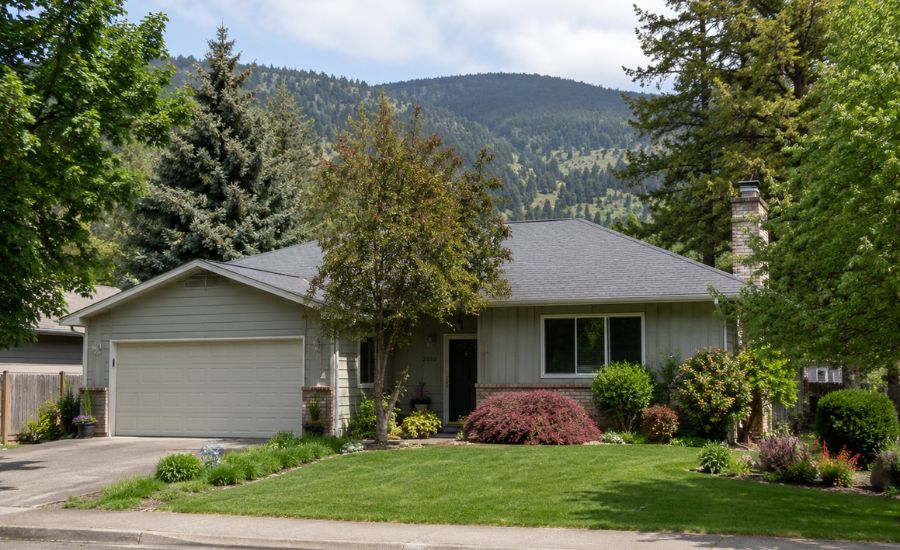
Considering the Rattlesnake area? Here’s what to know about it before you buy:
The Rattlesnake area is usually on the short list for buyers who want Missoula living with trail access close by. It sits on the northeast side of town, with the Lower Rattlesnake closer to downtown and the upper stretches moving north along Rattlesnake Drive toward the Rattlesnake National Recreation Area.
That location is the whole point for many buyers. You can be close to central Missoula, the Clark Fork River area, the University side of town, and public land without feeling like every errand has to start on Reserve Street. The tradeoff is that the Rattlesnake is not a place to judge only by the neighborhood name. The exact street, winter sun, driveway, parking, road noise, trailhead traffic, and condition of the home all matter.
If you are starting with current listings, begin with Rattlesnake homes for sale and compare them with broader Missoula homes for sale. Some buyers also compare Lower Rattlesnake homes for sale because the lower and upper parts of the area can feel different in day-to-day use.
Homes for Sale in the Rattlesnake – Missoula Montana
Who is the Rattlesnake area best for?
The Rattlesnake is a strong fit for buyers who want outdoor access to be part of normal life, not a weekend project. The Rattlesnake National Recreation Area is northwest of Missoula and is used for hiking, biking, trail running, horseback riding, and other outdoor recreation. The U.S. Forest Service notes that the South Zone near the main trailhead receives heavy recreation use, so buyers who want quiet should pay close attention to where a home sits in relation to trail access and traffic patterns.
This area tends to work well for buyers who care about:
- Quick access to trails, creek corridors, and open-space areas.
- A close-in Missoula location without being directly downtown.
- Established streets and a more residential feel.
- Homes where the lot, trees, sun exposure, and setting may matter as much as the interior photos.
- Being near outdoor recreation while still staying connected to town.
It may be a harder fit for buyers who want the easiest parking, the newest construction, the lowest-maintenance setup, or a flatter, more predictable subdivision layout. Some streets and properties may feel simple. Others need a closer look before they make sense.
That is where the in-person review matters. Online photos do not show how a driveway handles winter, how much sun reaches the home, where visitors park, how busy the road feels, or whether the floor plan works once you are actually standing in it.
What the lifestyle feels like
Daily life in the Rattlesnake leans toward trail access, quiet residential streets, and easy movement into central Missoula. Lower Rattlesnake is closer to the city core. The City of Missoula describes the Lower Rattlesnake neighborhood as extending from Waterworks Hill east to Mount Jumbo, and from Lolo Street south to I-90. That puts it near some of Missoula’s best-known open-space edges while still keeping the neighborhood close to town.
Farther north, the area follows Rattlesnake Drive toward the recreation corridor. The U.S. Forest Service directions to the Rattlesnake National Recreation Area send drivers from I-90 at Van Buren Street, which turns into Rattlesnake Drive, then continues about three miles to the recreation area entrance.
For people who use the outdoors often, this is the attraction. The Rattlesnake Main Trail is close to Missoula and is used for day hiking, backpacking, and mountain biking. The Forest Service describes the trail as a former logging road with a relatively gentle grade for the first nine miles, roughly following Rattlesnake Creek, with side trails available from the main route.
Still, lifestyle should be checked at the property level. A buyer may like the Rattlesnake on paper and then realize the exact house has more slope, shade, traffic, or maintenance than expected. Another buyer may care less about polish and more about being able to reach trails quickly. The neighborhood name starts the conversation. The house decides it.
Homes, location, and buyer details to check
The Rattlesnake area is not a single uniform subdivision. Buyers should expect variation from one street to another, and sometimes from one side of the street to the other. Before getting too attached to a listing, compare the home against current active listings, recent sales, condition, setting, and the specific section of the neighborhood.
A careful Rattlesnake search should include a few practical checks:
- Drive the route more than once. Test the route in the morning, after work, and on a weekend if trail use or event traffic may affect the feel.
- Look at sun and shade. Tree cover, slope, and orientation can change how a home feels in winter.
- Check parking and storage. Outdoor-oriented buyers often need room for bikes, skis, gear, tools, or larger vehicles.
- Review condition closely. Roof age, windows, heating systems, drainage, decks, and retaining areas can matter more than the first round of photos.
- Verify school assignments by address. Do not assume a school assignment from a neighborhood name.
- Compare nearby options. A home in the Rattlesnake should be weighed against the University area, Downtown Missoula, Grant Creek, Pattee Canyon, and other Missoula neighborhoods when the buyer’s budget and lifestyle overlap.
School boundaries should be confirmed through Missoula County Public Schools. MCPS explains that it uses separate high school boundaries and elementary or middle school boundaries, and its Infofinder tool lets buyers search by address for assigned schools, nearby bus stops, transportation times, and walking boundary information.
Buyers should also review property taxes, insurance, utilities, any HOA rules if applicable, and known maintenance issues before writing an offer. If a home is close to trail access, check how the street feels during busy recreation times. If it is farther up the drainage, check winter access and daily convenience.
How to compare Rattlesnake with other Missoula areas
Rattlesnake buyers often compare the area with other close-in neighborhoods. The University area may appeal to buyers who want campus proximity and older Missoula character. Downtown and Heart of Missoula can make sense for buyers who want walkability to restaurants, events, and river access. Grant Creek and Miller Creek may give some buyers more edge-of-town space or a different property mix.
The comparison should stay practical. Ask what you want to do most days, not what sounds best in a listing description. If trails are part of your normal week, Rattlesnake may be hard to beat. If you need newer construction, easier parking, or a simpler commute to a specific side of town, another area may fit better.
We help buyers sort through those tradeoffs before the search gets too narrow. A good Missoula home search should match the home, the street, the route, and the way you actually live.
Thinking about buying in the Rattlesnake area?
Hyde & Associates can help you compare current Rattlesnake listings, Lower Rattlesnake options, and nearby Missoula neighborhoods before you make an offer. We look past the photos and help review the details that usually matter once a buyer is serious: location, condition, parking, storage, access, pricing, and resale position.
Contact Hyde & Associates to talk through current availability in the Rattlesnake area and compare it with other Missoula neighborhoods.
Rattlesnake Missoula FAQ
Is the Rattlesnake area close to downtown Missoula?
Lower Rattlesnake is close to central Missoula, while the upper parts of the area move north along Rattlesnake Drive toward the recreation area. Buyers should compare the exact address, route, and daily drive before deciding how close-in a home feels.
What is the Rattlesnake area best known for?
The area is best known for its outdoor access and residential setting on the northeast side of Missoula. The nearby Rattlesnake National Recreation Area is used for hiking, biking, trail running, horseback riding, and other recreation.
Are there homes for sale in both Upper and Lower Rattlesnake?
Yes, buyers often compare the broader Rattlesnake area with Lower Rattlesnake. The lower section is closer to central Missoula, while homes farther north may feel more connected to the trail and recreation corridor. Current availability changes, so buyers should review active listings and recent sales.
Should buyers verify schools before buying in Rattlesnake?
Yes. School assignments should be verified by address through Missoula County Public Schools. Neighborhood names are useful for search, but the exact address controls the school-boundary question.
What should buyers check before making an offer in the Rattlesnake area?
Buyers should check condition, roof age, windows, heating systems, drainage, parking, storage, winter access, route, school assignment, property taxes, insurance, and current pricing compared with active listings and recent sales.