
Where to live NEAR Missoula – “I want to move in or near Missoula but not actually IN the city – Where are some good places to live around Missoula?”
Some buyers love Missoula, but they don’t want to live right in town.
That’s a real thing we talk through often with buyers. They want access to Missoula for work, restaurants, the airport, the University of Montana, medical care, and shopping, but they don’t necessarily want city traffic, tighter lots, downtown parking, or the feeling that every errand runs through the same few roads.
Living outside the city can make sense. It can also surprise people.
The land may be better. The view may be better. The home may feel more like Montana. But you also need to think through wells, septic systems, road maintenance, snow removal, internet, commute routes, school boundaries, insurance, wildfire considerations, and how often you actually need to drive into Missoula. Missoula County includes rural communities such as East Missoula, Lolo, Frenchtown, Bonner, Milltown, West Riverside, Clinton, Evaro, Huson, Seeley Lake, Turah, and others outside the city limits. The county also notes that Missoula is the only incorporated city or town in Missoula County, which matters because local government, services, and rules can change once you’re outside city boundaries.
So the better question isn’t just “Where should I move near Missoula?”
It’s – How much Missoula do you still want in your daily life?
Start with Missoula homes for sale if you’re still comparing in-town neighborhoods, then compare Missoula County homes for sale, Lolo homes for sale, Florence homes for sale, Stevensville homes for sale, Victor homes for sale, Hamilton homes for sale, and Alberton homes for sale.

Why some buyers don’t want to live inside Missoula city limits
Missoula has a lot going for it. That’s part of the problem. More people want to be here than the housing supply can comfortably absorb, and that pressure shows up in price, competition, traffic, and smaller trade-offs buyers didn’t expect to make.
Some buyers start looking outside the city because they want:
- More land or elbow room
- More privacy between homes
- A rural or semi-rural setting
- Mountain views or valley views
- Space for animals, equipment, gardens, shops, or trailers
- A quieter residential feel
- A different school district or school-boundary option, which should always be verified by address
- A lower price point than some in-town Missoula neighborhoods
- A home style that’s harder to find inside city limits
And sometimes the reason is less romantic. They’re tired of Reserve Street (yes, it’s a pain once you live here long enough). They want a bigger garage. They want to park a camper without starting a neighborhood discussion.
That doesn’t mean outside-town living is automatically easier. A buyer can move 20 minutes out and gain space, then realize they miss sidewalks, delivery options, quick school pickup, or being five minutes from a grocery store. That’s why we like to compare the whole routine, not just the house.
Ready to compare your options?
Search homes around Missoula and Western Montana
Browse current homes for sale, then connect with Hyde & Associates when you’re ready to compare locations, property types, pricing, and the tradeoffs that matter outside the listing photos.
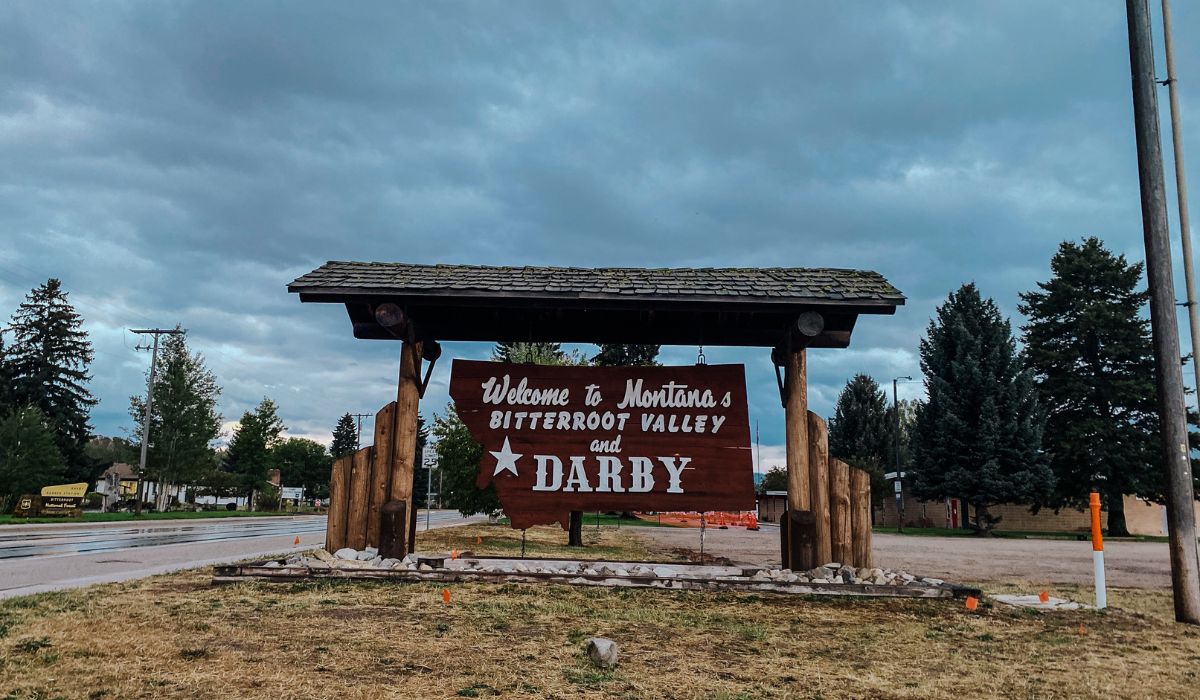
South of Missoula: Lolo and the Bitterroot Valley
South of Missoula is usually where buyers start if they want more space but still want a familiar route back into town. Highway 93 runs down the Bitterroot Valley through Lolo, Florence, Stevensville, Victor, Corvallis, Hamilton, Darby, and the communities in between. Visit Montana describes Highway 93 as the main artery of the Bitterroot Valley Scenic Drive, with the Bitterroot Mountains along the west side, the Sapphire Mountains along the east side, and the Bitterroot River running through the valley.
Lolo
Lolo is often the first place buyers compare when they want to leave Missoula but don’t want to feel too far out. It sits south of Missoula and works for buyers who still expect to drive into town often. Lolo can include in-town-style neighborhoods, homes with a little more room, and properties that start to feel more Bitterroot than Missoula.
What to watch: the commute. Lolo can feel close on paper, but the route matters during normal work hours, school traffic, winter weather, and summer travel. Don’t just map it at 11 a.m. on a Tuesday and call it good.
Florence
Florence gives buyers more of a Bitterroot Valley feel while still keeping Missoula within reach. Visit Montana lists Florence as being 17 miles from Missoula and 9 miles from Lolo. Buyers often compare Florence when they want more breathing room, a stronger valley setting, or homes with land.
Property types can vary. You may see subdivision homes, homes on acreage, older properties, newer construction, and rural setups. The price range depends heavily on land, views, condition, outbuildings, water rights if applicable, and how close the property is to Highway 93 or Eastside Highway.
Stevensville
Stevensville is farther south and has its own town identity. Visit Montana’s Bitterroot Valley Scenic Drive notes Stevensville in connection with St. Mary’s Mission and Fort Owen State Monument, the site of the first permanent white settlement in Montana.
For buyers, Stevensville can make sense when they want a stronger small-town feel and are less tied to daily Missoula errands. It can be a better fit for someone who wants the Bitterroot lifestyle first and Missoula access second.
Victor and Hamilton
Victor and Hamilton stretch the Missoula commute farther, so buyers need to be honest about how often they’ll drive north. Hamilton is described by Visit Montana as the hub of the Bitterroot Valley, with Downtown Hamilton and the Daly Mansion noted along the scenic route.
Hamilton can work well for buyers who want their daily life centered in the Bitterroot rather than Missoula. Victor can appeal to buyers who want more rural character and are comfortable being farther from big-city services.
Down here, price ranges can widen quickly. Smaller in-town homes, older homes, acreage, custom homes, horse properties, river-area properties, and luxury estates may all appear in the same broad search. That’s why the listing price alone tells you very little. You need to compare land, water, access, road, condition, septic, well, outbuildings, and how much of the property is actually usable.
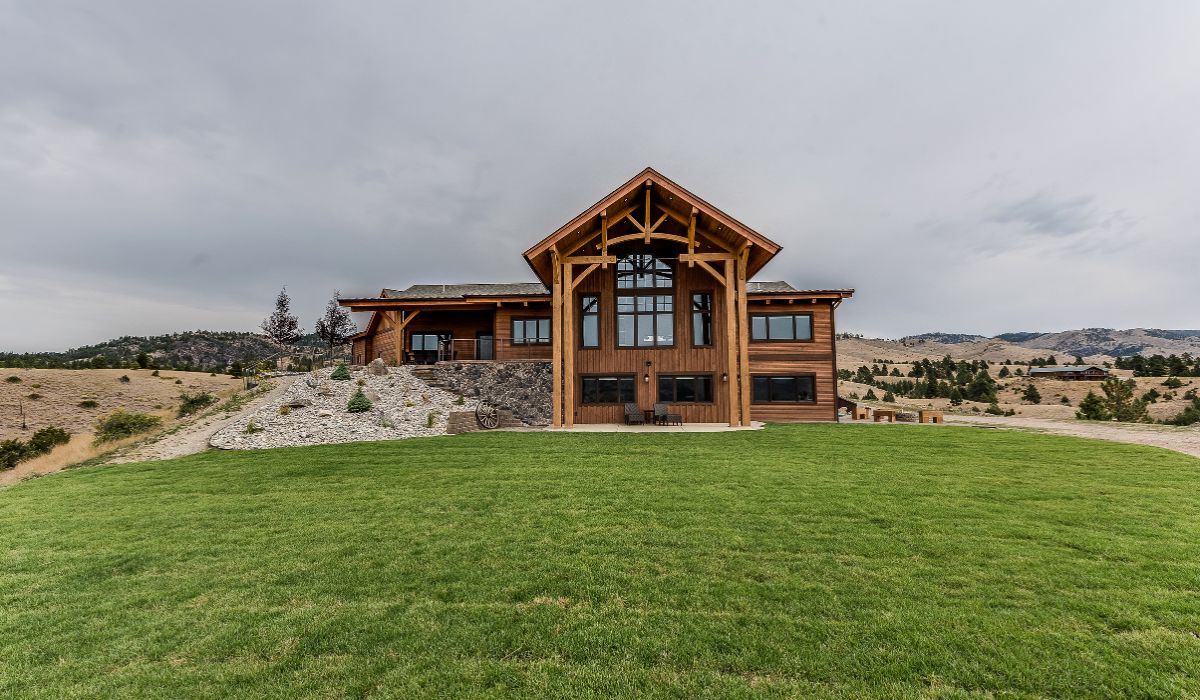
East of Missoula: East Missoula, Bonner, Milltown, Turah, and Clinton
East of Missoula is a different conversation. It can feel close to town, especially compared with the Bitterroot or Alberton, but it also pulls buyers toward the Clark Fork River, Blackfoot River, Highway 200, I-90, and the canyon routes east of the city.
East Missoula
East Missoula can appeal to buyers who want to stay near Missoula without being in the main city neighborhoods. It’s close enough that buyers often compare it against central Missoula, Northside, University District, and the Rattlesnake, but it has a different feel from those areas.
Missoula County identifies East Missoula as one of its rural community areas, with its own community council representation outside the city structure. That’s the kind of detail buyers should pay attention to. Outside city limits can mean different services, different planning issues, and different expectations.
Bonner, Milltown, and West Riverside
Bonner, Milltown, and West Riverside sit east of Missoula and are often grouped together in local conversation. Missoula County has a community profile for Bonner, Milltown, and West Riverside, and the county lists the area among its rural communities.
This area can make sense for buyers who want quick access back to Missoula but like the idea of being closer to the Blackfoot corridor. Homes may include older houses, smaller lots, modest properties, renovated homes, and occasional properties with more land or a more tucked-away feel. Inventory can be thin, so buyers have to be ready when the right property appears.
Clinton
Clinton is farther east and feels more rural. Missoula County lists a Clinton Community Council and notes Clinton Community Park in its community profile. Buyers looking at Clinton should think hard about road access, winter driving, wells, septic systems, internet, cell service, and fire insurance.
Clinton can be a good reality check. You may find more space, but you’re not buying a city routine. That’s the point for some buyers. For others, it becomes the problem after the first month of long drives.
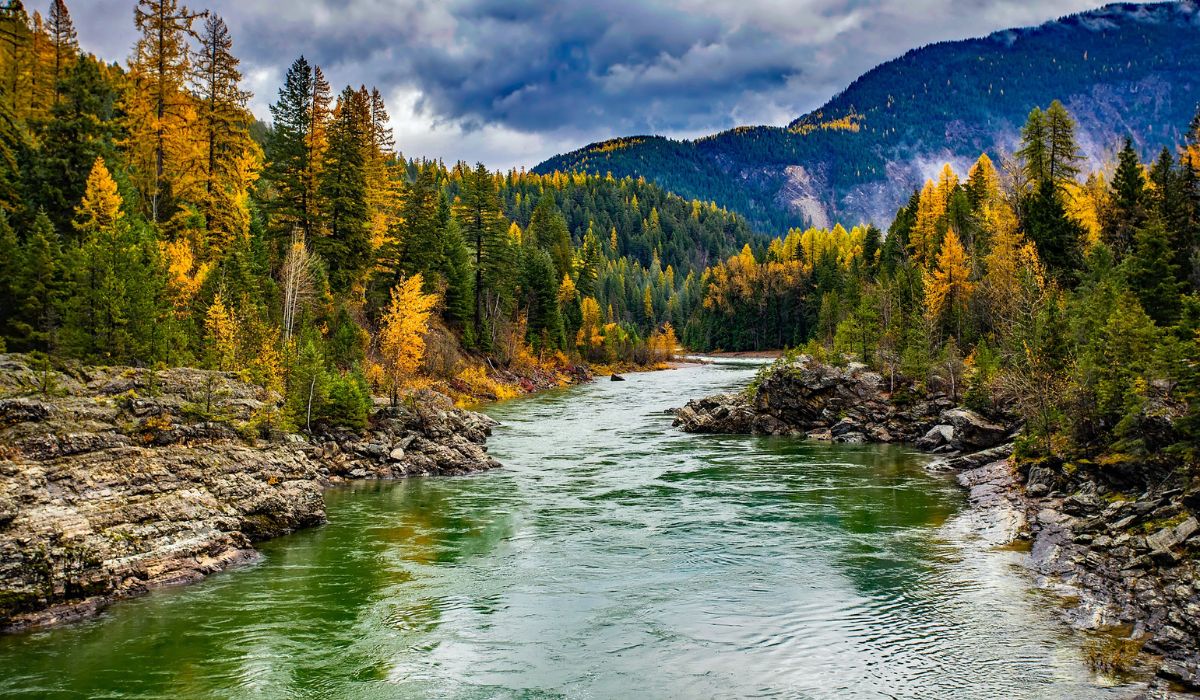
West of Missoula: Frenchtown, Huson, Alberton, and the I-90 corridor
West of Missoula is where buyers often look when they want room, a country setting, or access toward the Clark Fork corridor. This side of the search can include Frenchtown, Huson, Alberton, and sometimes Superior depending on how far someone is willing to go.
Frenchtown
Frenchtown is about 16 miles northwest of Missoula, according to Visit Montana, and the community sits near the Clark Fork River. Visit Montana also notes Frenchtown State Park, a five-acre spring-fed lake used for water recreation.
Frenchtown often makes sense for buyers who want a west-valley feel, access to Missoula, and the possibility of more land than they’re finding in town. Homes can range from more standard residential properties to acreage, rural homes, and properties with shops or outbuildings.
Missoula County’s Frenchtown and West Valley page also notes the West Valley Community Council and local districts such as the Frenchtown Rural Fire District, Frenchtown Irrigation District, and East Frenchtown Water District. Those details matter. Rural utilities and districts can shape what ownership actually looks like.
Huson and the West Valley pockets
Huson is a smaller search area, and inventory may be limited. Buyers looking here are usually open to rural living and less concerned with having services close by. Check road maintenance, parcel size, wells, septic, internet, and winter access carefully.
Some properties west of Missoula can look simple online. Then you get there and realize the driveway, approach road, or utility setup deserves more attention than the kitchen photos. It happens.
Alberton
Alberton is farther west along the I-90 corridor in Mineral County. Visit Montana calls Alberton the gateway to the Alberton Gorge and notes its appeal for whitewater rafting, angling, and hunting. It also lists Frenchtown as 12 miles away and Huson as 7 miles away.
Alberton can be a fit for buyers who want a small-town setting, outdoor access, and a lower-density feel. The tradeoff is distance. If you work in Missoula five days a week, that drive needs to be tested in bad weather, after dark, and during the part of the year when you’re already tired of winter.
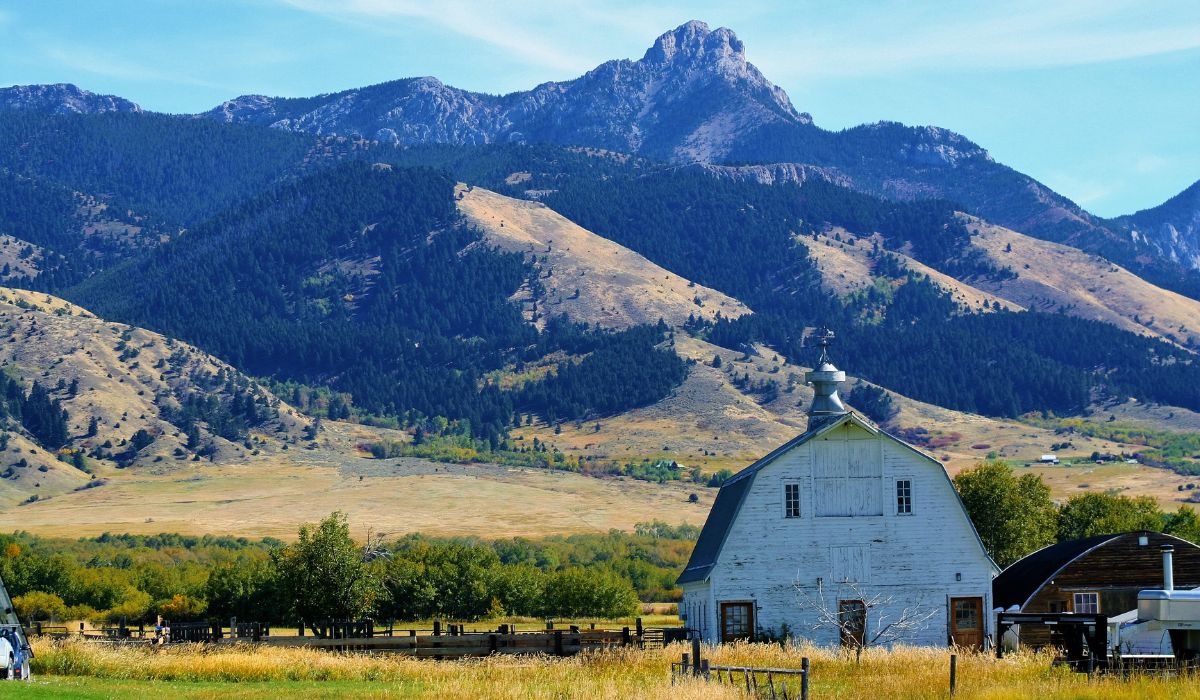
North of Missoula: Evaro, Arlee, and the Jocko Valley direction
North of Missoula gives buyers another kind of out-of-town search. The route can include Evaro, Arlee, and the Jocko Valley direction toward Lake County and the Flathead Reservation.
Evaro
Evaro can appeal to buyers who want to be north of Missoula and outside the city pattern. Inventory can be limited, and properties may vary a lot in access, utilities, land, and condition. This is a place where the exact address matters more than the broad search label.
Arlee
Arlee is north of Missoula in Lake County. The community’s own site describes Arlee as being at the southern gateway to the Flathead Indian Reservation. Buyers considering Arlee should understand the reservation context, confirm property details carefully, and review any legal, title, land-status, or lending questions with the appropriate professionals.
Arlee can make sense for buyers who want a smaller community north of Missoula and don’t need to be in the city every day. If the search includes land, rural homes, or unique property types, slow down and verify everything early.
What homes usually look like outside Missoula
The housing mix gets broader once you leave the city.
Inside Missoula, buyers often compare neighborhood, condition, square footage, walkability, and school boundaries. Outside Missoula, the home may come with more variables. Land. Shops. Irrigation. Septic. Wells. Private roads. Propane. Wood heat. Outbuildings. Fencing. Easements. Creek frontage. River proximity. Fire risk. Snow drifting across the road.
Not every outside-town home is complicated. But the ones that are complicated usually don’t announce it in the first photo.
Common property types around Missoula include:
- In-town homes in smaller communities
- Subdivision homes outside Missoula city limits
- Older rural homes
- Manufactured homes on land
- Acreage properties
- Horse or animal-friendly setups, where rules and property conditions allow
- Homes with shops, barns, sheds, or equipment storage
- River, creek, or water-adjacent properties
- Cabin-style homes and seasonal-use properties
- Luxury homes on larger parcels
If land is part of the reason you’re looking outside town, compare ranch and land properties. If water is part of the draw, review waterfront homes for sale. For higher-end properties, compare luxury homes in Western Montana.
How to think about price ranges outside Missoula
Price ranges outside Missoula can’t be summed up cleanly without checking the live market. They change by week, by property type, and by how far you’re willing to drive.
Generally, buyers should think in categories instead of fixed numbers:
- Entry-level searches: Usually require flexibility on age, condition, size, location, manufactured housing, or distance from Missoula.
- Middle-market searches: May open up smaller towns, older homes, subdivision homes, and some properties with more room, depending on the area.
- Acreage searches: Pricing depends heavily on usable land, water, outbuildings, access, fencing, and the condition of the home.
- Luxury and specialty properties: Views, privacy, river frontage, large parcels, newer construction, guest quarters, and shops can move the number fast.
Don’t compare a house in Florence with a house in East Missoula using only bedroom count. Don’t compare a Hamilton home with acreage against a Missoula subdivision home like they’re the same product. And don’t assume a lower list price means a lower cost of ownership. Repairs, utilities, insurance, commuting, road work, and maintenance can change the math.
For current pricing, use live listing pages and recent sales, then ask us to compare the homes that actually compete with each other. Start with property search or contact Hyde & Associates for a narrower read.
Challenges buyers should expect outside Missoula
Living outside the city can be great. The mistake is thinking it’s automatically simpler.
Commute and weather
A 25-minute drive in May may not feel the same in January. Test the route. Think about school drop-off, work hours, snow, fog, wildlife, road construction, and how often you’ll need to drive into Missoula.
Wells, septic, and utilities
Many rural and semi-rural properties may not connect to city services. Buyers should inspect wells and septic systems where applicable, verify water quality and flow, and understand maintenance costs before closing.
Internet and cell service
Don’t assume. Work-from-home buyers should verify internet options before falling in love with a property. A listing may say service is available, but the speed and reliability need to match your actual needs.
Road maintenance and access
Some roads are public. Some are private. Some have road agreements. Some are fine until the weather turns. Ask early who plows, who pays, who maintains the road, and what the recorded documents say.
Fire risk and insurance
Western Montana buyers should ask about wildfire considerations, defensible space, insurance availability, and any property-specific risks. This is especially important for wooded, sloped, remote, or rural properties.
Fewer listings
Outside-town inventory can be thin. If you want a specific area, specific acreage, a shop, a view, and a certain price, you may need patience. Or you may need to compromise.
Which area should you compare first?
Start with the direction your life already pulls.
If you work in Missoula and want the shortest outside-town feel, compare East Missoula, Bonner, Lolo, and parts of Missoula County near the edge of town.
If you want the Bitterroot Valley, compare Lolo, Florence, Stevensville, Victor, Corvallis, Hamilton, and Darby. The farther south you go, the more your life starts to center around the valley instead of Missoula.
If you want the west side, compare Frenchtown, Huson, and Alberton. This can work well for buyers who want space and don’t mind using I-90 or west-side routes.
If you want north of town, compare Evaro, Arlee, and the Jocko Valley direction. Pay special attention to commute, property details, and any reservation or land-status considerations that may apply.
And if you’re still not sure, compare listings instead of guessing from a map. The right house might be in the area you didn’t expect.
Get help comparing communities around Missoula
Michael Hyde, Dom Hyde, and the Hyde & Associates team can help you compare Missoula-area towns and communities based on how you actually plan to live. We’ll look at the home, the route, the property type, the land, the inspection concerns, and the tradeoffs that don’t always show up online.
Start with Missoula County homes for sale, browse the full property search, or contact Hyde & Associates to talk through your best options.
FAQ: Where to live near Missoula but outside the city
What are good towns near Missoula if I don’t want to live in the city?
Common areas to compare include Lolo, Florence, Stevensville, Victor, Hamilton, East Missoula, Bonner, Clinton, Frenchtown, Huson, Alberton, Evaro, and Arlee. The best fit depends on commute, budget, property type, land needs, and how often you need to be in Missoula.
Is the Bitterroot Valley a good option for Missoula buyers?
The Bitterroot Valley can be a strong option if you want more room, mountain views, smaller-town settings, or acreage possibilities south of Missoula. Buyers should compare drive time, winter travel, school boundaries, property condition, and how far south they’re comfortable living.
Is it cheaper to live outside Missoula?
Sometimes, but not always. A lower purchase price can be offset by repairs, utilities, well and septic maintenance, insurance, commuting costs, private road maintenance, or acreage upkeep. Current pricing should be checked against active listings and recent sales in each area.
What should I check before buying a rural property near Missoula?
Check the well, septic system, road access, snow removal, internet, cell service, wildfire risk, insurance, utilities, zoning, easements, covenants, school assignment, and property boundaries. A rural home needs more review than a standard in-town property.
Should I buy outside Missoula if I work in town?
It can work, but test the commute before you commit. Drive the route during your normal work hours, then think about winter weather, school schedules, errands, and how often you want to make that drive. A home can be worth it. The routine has to work too.
Ready to compare your options?
Search homes around Missoula and Western Montana
Browse current homes for sale, then connect with Hyde & Associates when you’re ready to compare locations, property types, pricing, and the tradeoffs that matter outside the listing photos.
2 Responses