
Downtown Missoula Living vs. the outskirts: where should you live?
There’s a point in almost every Missoula home search where the buyer starts asking the same question: do I want to be close to downtown, or would I rather have more room and drive a little farther?
Both can work. They’re just very different purchases.
Living near Downtown Missoula can put restaurants, the Clark Fork River, events, trails, the University side of town, and a lot of your normal errands closer together. Move toward the edges of Missoula and the housing mix begins to change. Go beyond city limits into places like Lolo, East Missoula, Frenchtown, Bonner, Clinton, or farther into the Bitterroot Valley, and land, utilities, road access, outbuildings, and commute time start carrying more weight.
Price doesn’t settle the argument either. Buyers sometimes assume that leaving town automatically means getting a cheaper house. Current data doesn’t support treating it that simply.
If you’re starting the search, compare current Missoula homes for sale with Missoula County homes for sale. Then narrow the search based on how you actually spend your week.
The first decision: how much convenience do you want to buy?
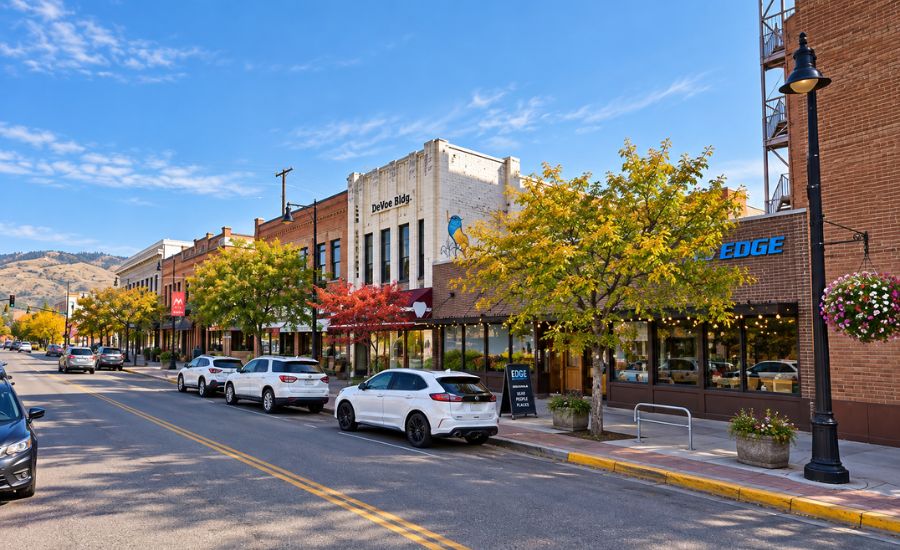
Downtown and central Missoula buyers are often paying for location as much as the house.
The Heart of Missoula sits between the Clark Fork River and the railroad tracks, while nearby central neighborhoods spread south, east, and west from the core. For a buyer who regularly uses downtown restaurants, the river corridor, local events, campus, trails, or central workplaces, that proximity can be worth giving up some yard space or accepting an older home.
That’s the advantage of town living. A lot of the daily stuff is simply closer.
Start with Central Missoula homes for sale if you want to stay close to the middle without limiting the search to the few blocks people think of as downtown.
What you may gain close to downtown
- Shorter trips to downtown businesses, restaurants, events, and services.
- Better access to walking, biking, transit, and the Clark Fork River corridor depending on the exact address.
- Established neighborhoods with older Missoula housing character.
- Less dependence on a long commute for ordinary errands.
- A location that may work well if most of your week already happens in central Missoula.
There are tradeoffs. Central homes may have smaller lots, older systems, limited garage space, alley access, tighter parking, more road activity, or less room for trailers and recreational equipment.
You learn quickly that a four-car driveway is a luxury when you don’t have one.
Just outside downtown can be the sweet spot
Some buyers don’t actually want downtown. They want to be close to it.
That opens up a much more interesting search.
Areas such as the Rattlesnake can keep buyers close to central Missoula while putting trail access and a more residential setting into the equation. South Hills changes the search again with hillside streets, views, and south-side access.
Farther toward the edge of town, Miller Creek can appeal to buyers who want a different residential pattern, easier access toward Lolo and Highway 93, and properties that may feel more removed from central Missoula. Grant Creek gives buyers another edge-of-town direction to compare.
This middle ring is easy to overlook. You may still have a Missoula address and city access without living in the middle of the city.
What changes once you leave Missoula proper?
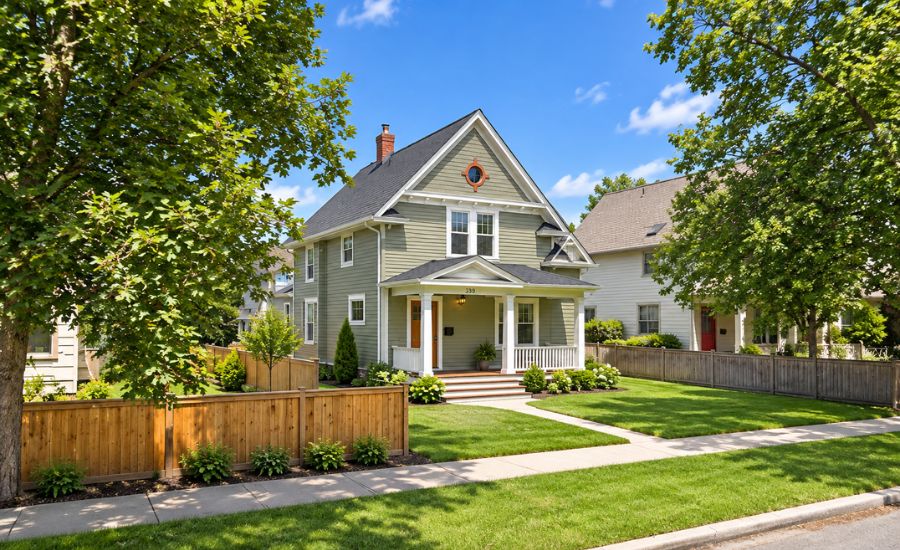
Outside the city limits, the home search becomes more property-specific.
Missoula County identifies rural communities including Lolo, Frenchtown and West Valley, East Missoula, Clinton, Bonner, Milltown, West Riverside, and others. Once buyers start looking in these areas, the conversation often moves beyond bedrooms and bathrooms.
Now we’re asking:
- Is the home on a well or another water system?
- Does it have septic?
- Who maintains the road?
- Who plows snow?
- Is the driveway practical in winter?
- What internet service reaches the property?
- Are there easements or road agreements?
- Does the property have irrigation or water rights that need review?
- What does insurance look like for this particular property?
- How much of the land is actually useful?
A rural listing with five acres and a shop can look like a much better deal than an in-town home. It might be. But compare the whole property before deciding.
Is it cheaper to live outside Missoula?
Sometimes. Sometimes decidedly not.
Current market data is a good reminder not to make assumptions. Redfin reported a median sale price of about $525,000 for Missoula over the three months ending August 2026. For Missoula County, the comparable median was about $576,000.
You can review the current numbers through Redfin’s Missoula market data and Missoula County market data.
That does not mean the county is universally more expensive. The property mix is different. County sales can include acreage, larger homes, newer construction, rural estates, and specialty properties that don’t compare cleanly with an in-town house.
For buyers, that is the useful lesson.
Don’t shop by geography and assume you’re saving money. Shop by property type.
Compare the total cost, not only the purchase price
A downtown or central property may come with a smaller lot and less driving, but an older house can require money for windows, heating, electrical, roofing, plumbing, or other updates.
An outside-town home may give you land and newer construction but introduce a completely different expense list:
- Well and septic maintenance
- Private road costs
- Snow removal
- Longer drives and fuel
- More land and landscaping maintenance
- Fencing
- Outbuilding upkeep
- Equipment needed to maintain the property
- Property-specific insurance considerations
And then there’s time. Forty extra minutes in the car every day has a cost even though it never appears on the closing statement.
Downtown Missoula: what are you really buying?
A close-in buyer is often buying access.
The City of Missoula identifies the Heart of Missoula as the area between the Clark Fork River and the railroad tracks, extending east along Broadway. The broader central area includes nearby Riverfront, Rose Park, Northside, Westside, University District, and other established neighborhoods.
If your week revolves around downtown, campus, the river, restaurants, events, or central offices, location can make everyday life simpler.
But close-in homes need their own inspection lens.
We’d pay attention to parking, alley condition, garage size, basement condition, foundations, roof age, sewer or utility details, heating systems, electrical updates, drainage, storage, and how much road activity hits the property at different times of day.
Older does not mean bad. Updated does not mean everything was updated.
Living on the edge of Missoula
The edge of town is where buyers can sometimes get pieces of both lifestyles.
Miller Creek is a good example. It sits on the south side of Missoula, near the route toward Lolo and the Bitterroot Valley. Some properties have a more subdivision-like setting. Other sections feel more spread out or hillside-oriented.
South Hills can put more emphasis on elevation, views, and residential streets while staying connected to town. The Rattlesnake offers another version of close-in living, particularly for buyers who care about nearby trail access.
These areas still require compromises. Hillside homes may bring steep driveways, winter shade, drainage, or retaining-wall questions. Newer subdivisions can have HOA rules or tighter covenants. Edge-of-town homes can still involve traffic if the route funnels everyone through the same road.
Drive it before you romanticize it.
Outside Missoula: Lolo, Frenchtown, East Missoula and beyond
Leaving the city opens the map considerably.
Lolo
Lolo homes for sale are usually the first south-of-Missoula comparison. Lolo keeps buyers near the Highway 93 route while moving the search into a setting that feels separate from the city.
For buyers who like that direction but want to keep moving south, Florence homes for sale begin the broader Bitterroot Valley conversation.
Frenchtown and the west side
Frenchtown and West Valley make sense to compare if you want to move west of Missoula while keeping the city within reach. Depending on the property, buyers may find residential homes, rural setups, acreage, and homes with more storage or shop space.
Keep going west and Alberton homes for sale become another option, although the relationship with Missoula changes as the distance grows.
East Missoula, Bonner and Clinton
East Missoula can feel close to town even though it sits outside the main city pattern. Farther east, Bonner, Milltown, West Riverside, Turah, and Clinton move buyers toward more rural property considerations and the I-90/Highway 200 corridors.
These can be good areas to consider if you’re less interested in downtown walkability and more interested in the setting or the property itself.
For a deeper breakdown of these communities, read where to live near Missoula if you don’t want to live in the city.
Which location makes sense for your routine?
We usually tell buyers to stop thinking about the map for a minute and walk through a normal week.
Where do you work?
How often do you go downtown?
Do you want to bike somewhere, or are you fine driving everywhere?
How much land will you actually use?
Do you really want to maintain five acres, or do you want a half-acre lot that simply feels less cramped?
Will a shop change how you use the property? Do you have an RV, boat, trailer, skis, bikes, tools, or equipment that already creates a storage problem?
Those answers usually narrow the map faster than a list of neighborhood names.
Downtown vs. outskirts at a glance
| Consideration | Downtown / Central Missoula | Outskirts / Outside City Limits |
|---|---|---|
| Daily convenience | More central access to many Missoula destinations | More driving is common |
| Lot and land | Often smaller and more urban | More potential for acreage or larger lots |
| Home age | More established housing stock in many central areas | Can range from older rural homes to newer builds |
| Utilities | City-service setups are common | Well, septic, private roads or other systems may apply |
| Parking and storage | Can be tighter depending on property | More room may be available, but verify the actual setup |
| Ownership work | Older-home maintenance can be the bigger issue | Land, roads, wells, septic and snow can add work |
| Price | Location can command value, but housing type matters | Not automatically cheaper, especially with acreage or newer/larger homes |
Our advice before choosing one side or the other
Tour both.
Seriously. Buyers sometimes decide they need five acres before they’ve spent a weekend looking at what five acres costs and requires. Other buyers assume they need to live downtown until they tour a home ten or fifteen minutes out and realize they would happily trade walkability for a garage, a view, and some distance from the next house.
Compare an actual downtown or central home with an actual outskirts property in your price range. Drive both routes. Look at the storage. Look at the yard. Check the systems. Think about where you buy groceries and where you work.
Then compare the cost of owning them, not just buying them.
Search Missoula and the surrounding area
Hyde & Associates can help you compare central Missoula homes, edge-of-town neighborhoods, and properties outside the city limits without treating them like the same product.
Start with the full Western Montana home search, browse Missoula homes for sale, or compare Missoula County properties.
Not sure how far outside Missoula you want to go?
Tell us what you’re trying to gain by moving farther out: acreage, privacy, a shop, newer construction, mountain views, easier parking, or simply more house for the budget. We can compare that against the commute, utilities, road access, maintenance, and current inventory before you narrow the search too far.
FAQ about living in Downtown Missoula vs. outside the city
Is it cheaper to buy outside Missoula?
Not automatically. Current city and county median prices show that the county can actually run higher because the property mix includes acreage, larger homes, newer properties, and rural luxury real estate. Compare similar property types rather than assuming distance from downtown equals a lower price.
What are the biggest benefits of living near Downtown Missoula?
Convenience is the main one. Depending on the address, buyers may have shorter access to downtown businesses, the Clark Fork River, events, campus, restaurants, transit, biking routes, and central services. The tradeoff can be smaller lots, tighter parking, older housing systems, or less storage.
What changes when I buy outside Missoula city limits?
Rural and county properties may involve wells, septic systems, private or shared roads, snow-removal agreements, acreage maintenance, irrigation, easements, and different utility arrangements. The exact property should be reviewed rather than assuming every outside-town home works the same way.
Where should I look if I want more space but still want to be near Missoula?
Within Missoula, Miller Creek, South Hills, Grant Creek, and parts of the Rattlesnake can be useful comparisons. Outside the city, buyers often consider Lolo, Frenchtown, East Missoula, Bonner-area properties, and other Missoula County communities.
How far outside Missoula should I consider living?
Base that on your normal week. A buyer commuting into Missoula five days a week may draw the line differently from someone working remotely or only coming into town a few times a month. Drive the route at the time you would actually use it before making the location decision.