
Where to live in Missoula, Montana – Ready for the Last Best Place
Picking where to live in Missoula is a little funny because people usually start with a neighborhood name, then end up choosing based on their daily routine. How often do you want to cross town? Do you want to be close to the river, campus, downtown, trails, bigger lots, newer construction, or a quieter edge-of-town feel? That answer matters more than whatever neighborhood name sounded good at first.
Missoula is small enough that people talk about it like everything is “10 minutes away,” but locals know that is not always how it feels at 5:00 on Reserve, during a Griz weekend, after a snowstorm, or when summer road work shows up right where you need to be. So the smarter way to search is simple: compare the area, then test the drive, then look at the actual home.
If you are starting your search now, you can browse current Missoula homes for sale, widen the search to Missoula County homes for sale, or look through broader categories like new construction, waterfront homes, luxury homes, and ranch and land.
 Which Missoula areas should buyers compare first?
The City of Missoula organizes the city into neighborhood council areas, and buyers will hear many of those names during a home search. The official Missoula neighborhood map is worth checking if you want to see where one area stops and another starts. In real life, though, buyers usually compare Missoula by a few bigger lifestyle zones.
Downtown, Heart of Missoula, and Riverfront
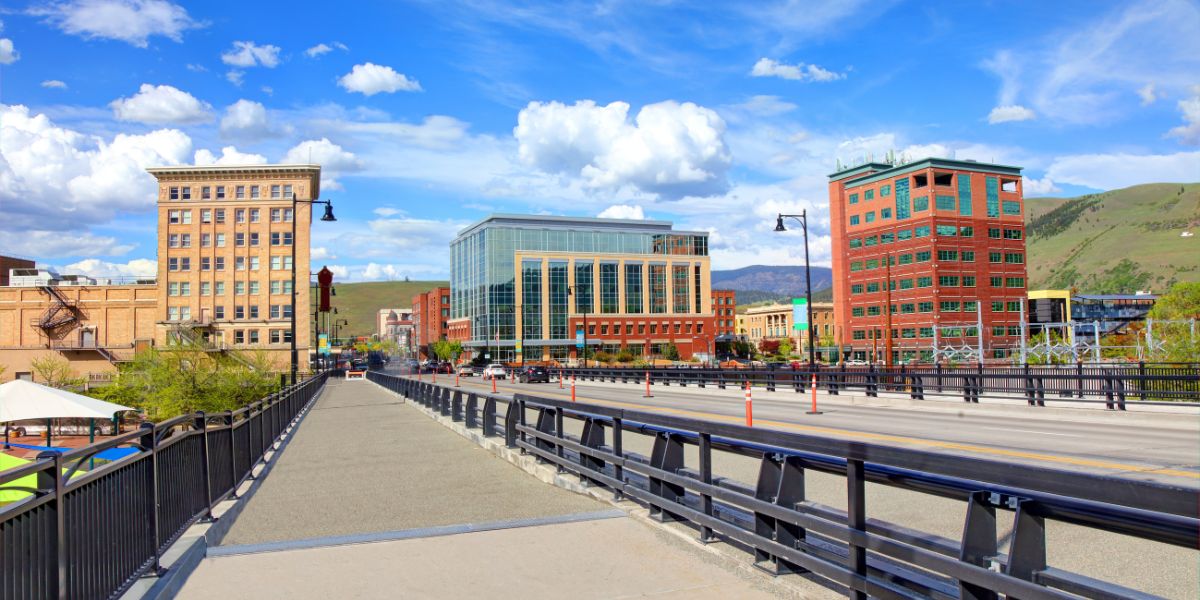
This is the part of Missoula people often picture first: the Clark Fork River, downtown restaurants, coffee, events, older buildings, condos, and walkable blocks where parking can matter more than you expected. If you like being close to the center of things, start here and compare the exact street carefully.
The tradeoff is simple. You may gain convenience, but you should look closely at parking, noise, nearby traffic flow, storage, and whether the home or condo fits the way you actually live. Photos do not tell you how the block feels on a Friday night or after work.
University District, Lewis and Clark, Rose Park, and the lower Rattlesnake
These areas are popular with buyers who want established Missoula streets, access to central Missoula, and a close connection to the east side of town. The University District sits south of the Clark Fork River and near the University of Montana area, while the Lower Rattlesnake extends between Waterworks Hill, Mount Jumbo, Lolo Street, and I-90 according to the City’s neighborhood pages.
Do not shop these areas only by name. One block can feel different from the next. A buyer should compare condition, updates, parking, lot setup, street activity, and how quickly they can get to work, school, groceries, and trail access. Some buyers fall for the area first and forget to check the house hard enough.
South Hills, Farviews, Pattee Canyon, Moose Can Gully, and South 39th
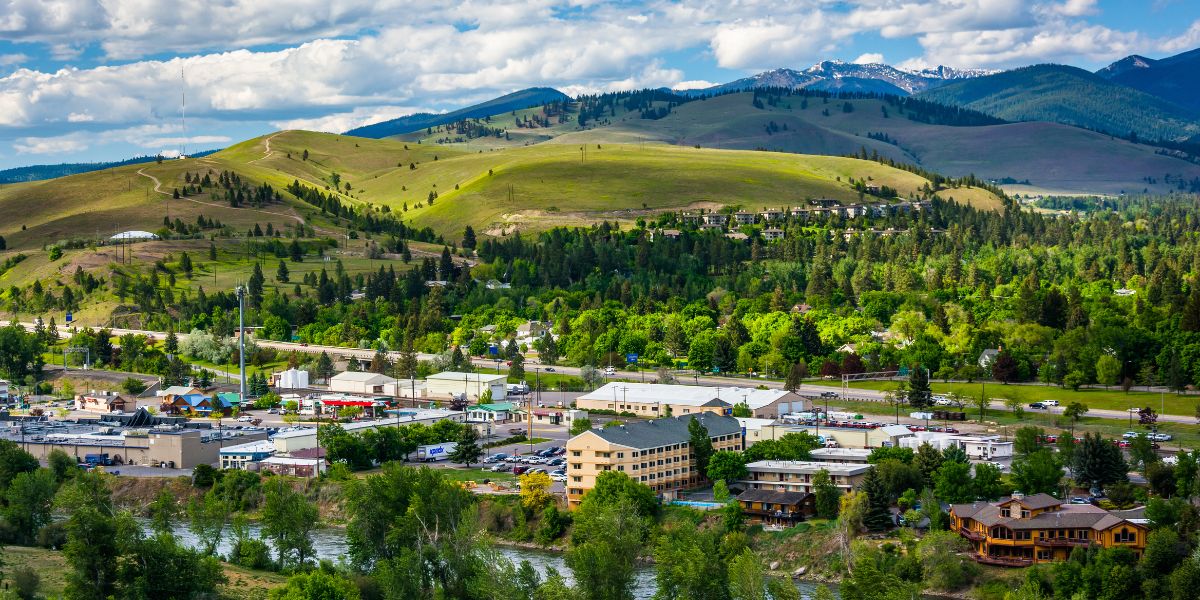
South Missoula has a lot of the “I want a little breathing room but still want to be in town” appeal. You will hear names like South Hills, Farviews, Pattee Canyon, Moose Can Gully, Lewis and Clark, and South 39th Street. This side of town can make sense for buyers who want to compare hillside streets, views, more residential-feeling pockets, and access back toward Brooks, Reserve, Russell, and Higgins.
Here is the thing people sometimes miss: a short distance on the map can still feel different depending on the route. Drive it during the time of day you actually commute. Do not test it at 11:00 on a quiet Tuesday and assume that tells the whole story.
Miller Creek and the south edge of Missoula
Miller Creek gives buyers a more edge-of-town Missoula feel while still being tied into the city. The City describes the Miller Creek neighborhood as bounded by Miller Creek Road, the Bitterroot River, U.S. Highway 93, and Lower Miller Creek Road. Buyers who like this area should pay attention to road access, winter driving comfort, lot setup, utilities, and how often they need to get back into central Missoula.
This is also where it helps to compare homes against nearby Missoula County options. Sometimes the right fit is still inside Missoula. Sometimes the better search includes areas just outside town, especially if acreage, shop space, or a different property type matters.
Grant Creek, Captain John Mullan, Westside, and the north/west side
North and west Missoula can make sense for buyers who want access to I-90, North Reserve, the airport side of town, or newer growth areas. Grant Creek is its own kind of Missoula pocket. The City describes Grant Creek as rural in nature, split between city and county residents, and served by one roadway that also provides access toward Snowbowl.
For this side of town, traffic patterns matter. So do snow, road access, distance to daily stops, and whether you are comfortable relying on a few key routes. A buyer who works on the opposite side of town should test that drive before getting too attached.
What is traffic like in Missoula?
Missoula traffic is not big-city traffic, but it can still annoy you if you pick the wrong side of town for your routine. Reserve Street is the obvious one. The Missoula Metropolitan Planning Organization, City of Missoula, and Montana Department of Transportation have been working on a Reserve Street Safety Action Plan for the corridor from I-90 to Brooks Street because of its crash history and complexity.
That tells you something buyers should take seriously. If your life requires crossing Reserve every day, do the drive before you write the offer.
Other local traffic habits are more ordinary but still worth checking. Downtown bridges can slow down. Campus events change the feel of nearby streets. Winter weather can turn a simple hill or shaded road into a bigger deal. Summer construction can reroute your “easy” commute for weeks.
Missoula does have public transportation. Mountain Line operates zero-fare service, so buyers who want to use bus routes should compare the route map against the exact property address. That can matter if you want to reduce driving, park less often downtown, or keep one household vehicle instead of two.
Our buyer advice is boring, but it works: test the route in the morning, test it again late afternoon, and check the weekend pattern if you are near downtown, campus, major parks, or event traffic.
How to choose the right Missoula neighborhood without overthinking it
Start with your routine. That sounds too plain, but it keeps buyers from chasing every listing that looks good online.
Before you narrow the map, write down what you actually need to reach every week:
- Work or school commute
- Groceries and errands
- Trail access, river access, gym, parks, or other regular recreation
- Downtown, campus, hospital, airport, or highway access
- Parking, storage, garage space, or room for gear
- Comfort with hills, snow, busier streets, or longer drives
Then compare the home itself. In Missoula, buyers can get distracted by the area and miss the boring details that matter after closing: roof age, heating system, windows, insulation, drainage, parking, stairs, storage, remodel quality, and whether the layout actually works. If the home is in an HOA or condo association, review the rules, fees, reserves, rental restrictions, and any pending assessments before the offer feels final.
School assignment should also be checked by address. Missoula County Public Schools notes that it has separate elementary/middle and high school boundaries, and buyers can review the district’s attendance boundary information. Do not assume a school based on the neighborhood name alone.
If you want to walk through the search with someone who knows the local tradeoffs, start with our buyer guide or contact Hyde & Associates. We can help compare current listings, neighborhood fit, traffic, condition, pricing, and nearby alternatives before you burn three weekends seeing homes that never really fit.
Thinking about where to live in Missoula?
Missoula can feel simple on a map, but the right fit often comes down to the drive, the street, the home itself, and how you actually spend your week. Hyde & Associates can help you compare neighborhoods, current listings, and the little details that matter before you make a move.
Hyde & Associates
2120 South Reserve St. STE#336, Missoula, MT 59801
Most common questions buyers ask about where to live in Missoula
What is the best area to live in Missoula?
The best area depends on your daily routine, budget, property type, and how much you care about downtown access, trails, yard space, road access, or a quieter edge-of-town setting. Many buyers start with Rattlesnake, University District, South Hills, Miller Creek, Grant Creek, or downtown, then narrow the search after testing the drive and comparing actual listings.
Is downtown Missoula a good place to live?
Downtown can be a good fit if you want walkability, river access, restaurants, events, and a more active setting. Buyers should look closely at parking, storage, noise, building type, and traffic patterns before deciding.
Where should I live in Missoula if I want more space?
Buyers who want more room often compare Miller Creek, Grant Creek, the west side, Missoula County properties, and nearby areas outside the city. The right choice depends on budget, utilities, road access, lot setup, and how often you need to get back into town.
Is Missoula traffic bad?
Missoula traffic is manageable compared with larger cities, but certain routes can slow down at predictable times. Reserve Street is the main road most buyers ask about, especially between I-90 and Brooks Street. Test your commute before choosing a neighborhood.
Should I choose a Missoula neighborhood based on schools?
If school assignment matters to your search, verify it by property address through the school district. Boundaries can be more specific than buyers expect, and neighborhood names are not enough to confirm assignment.
Where can I find current Missoula homes for sale?
You can start with current Missoula homes for sale, browse open houses, or widen the search to Missoula County homes for sale. If you want help comparing areas, Hyde & Associates can help you sort the listings by location, condition, traffic, and long-term fit.